ARTIFICIAL INTELLIGENCE · 2026

AI Memory and Personalization: How Your AI Is Finally Learning to Remember You

For years, AI assistants forgot everything the moment you closed the tab — but in 2026, persistent AI memory is reshaping what it means to have a truly personal intelligence at your side.

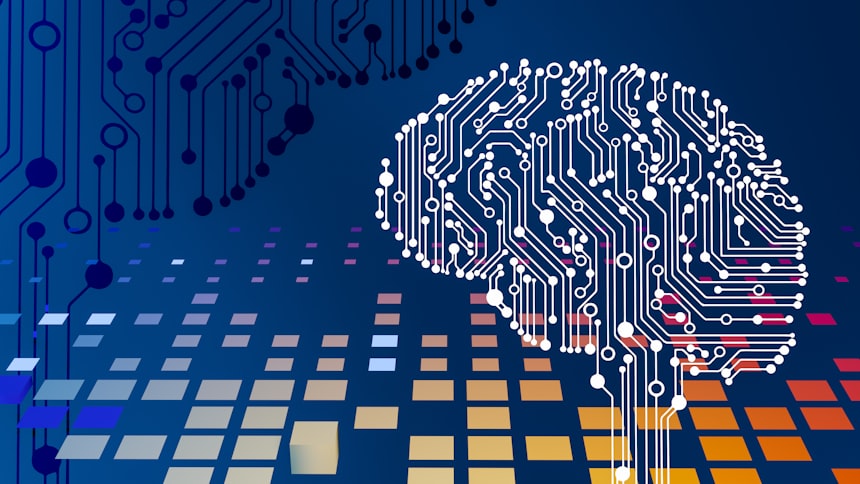
AI memory and personalization technology

One of the most persistent frustrations with early AI assistants was their goldfish-like amnesia — every new conversation began from absolute zero, forcing users to re-explain their profession, preferences, and context over and over again. That friction quietly undermined the promise of AI as a genuinely useful companion. In 2026, that limitation is being dismantled at speed, as leading AI platforms have rolled out sophisticated memory and personalization architectures that allow models to retain, update, and apply what they know about you across sessions, devices, and tasks.

This shift matters enormously for anyone who uses AI for more than occasional one-off queries. Whether you are a freelancer who wants your AI to understand your clients and writing style, a professional who needs the model to grasp your industry’s terminology, or simply someone who doesn’t want to explain their dietary restrictions every time they ask for recipe ideas — persistent AI memory is quietly becoming one of the most transformative quality-of-life upgrades in the technology’s history. Understanding how it works, what risks it introduces, and how to use it strategically is now a genuine competitive advantage.

KEY TAKEAWAYS

  • AI memory in 2026 comes in distinct types — semantic, episodic, and procedural — each serving a different personalization purpose.
  • Users who actively curate and manage their AI memory profiles get significantly more relevant, context-aware responses over time.
  • Privacy and data sovereignty are genuine concerns: knowing where your memory data lives and who can access it is non-negotiable due diligence.

ARTIFICIAL INTELLIGENCE · 2026

AI Memory and Personalization: How Your AI Is Finally Learning to Remember You

For years, AI assistants forgot everything the moment you closed the tab — but in 2026, persistent AI memory is reshaping what it means to have a truly personal intelligence at your side.

AI memory and personalization technology

One of the most persistent frustrations with early AI assistants was their goldfish-like amnesia — every new conversation began from absolute zero, forcing users to re-explain their profession, preferences, and context over and over again. That friction quietly undermined the promise of AI as a genuinely useful companion. In 2026, that limitation is being dismantled at speed, as leading AI platforms have rolled out sophisticated memory and personalization architectures that allow models to retain, update, and apply what they know about you across sessions, devices, and tasks.

This shift matters enormously for anyone who uses AI for more than occasional one-off queries. Whether you are a freelancer who wants your AI to understand your clients and writing style, a professional who needs the model to grasp your industry’s terminology, or simply someone who doesn’t want to explain their dietary restrictions every time they ask for recipe ideas — persistent AI memory is quietly becoming one of the most transformative quality-of-life upgrades in the technology’s history. Understanding how it works, what risks it introduces, and how to use it strategically is now a genuine competitive advantage.

KEY TAKEAWAYS

  • AI memory in 2026 comes in distinct types — semantic, episodic, and procedural — each serving a different personalization purpose.
  • Users who actively curate and manage their AI memory profiles get significantly more relevant, context-aware responses over time.
  • Privacy and data sovereignty are genuine concerns: knowing where your memory data lives and who can access it is non-negotiable due diligence.
  • اترك ردّاً

    لن يتم نشر عنوان بريدك الإلكتروني. الحقول الإلزامية مشار إليها بـ *